
"global coffee geography"
200 article(s) found

The real reason for the high price of Hawaiian kona coffee Hawaiian coffee and the third wave of coffee
Professional coffee knowledge exchange more coffee bean information please follow the coffee workshop (Wechat official account cafe_style) to learn first hand the coffee making process of Greenville Farm in Kona Coffee area and what is the connection between Hawaiian cuisine and coffee? Hawaiian Islands, a group of islands in the north-central Pacific Ocean. The Hawaiian islands are between 1778 and 189,

[recommendation of introduction to Coffee Books] Top 10 best-selling coffee books in 2017
Professional coffee knowledge exchange more coffee bean information please follow the coffee workshop (Wechat official account cafe_style) 1 "Coffee: a complete explanation of 122 kinds of World Fine Coffee" Taguchi protects the Confederate Publishing Professionals, describing everything about coffee with photos and text. Know the roasting degree, bitterness, sour taste and aroma, and strictly select 122 kinds of fine coffee in the world to introduce to you. Ben
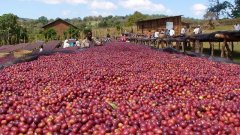
Introduction to the recommended flavor of Yega Xuefei coffee bean washing Cochel G1 hand temperature grindability powder / water ratio
For professional baristas, please follow the coffee workshop (Wechat official account cafe_style) Coffee beans details: country: Ethiopia Grade: G1 production area: Yejia Chuefei Baking degree: shallow Baking method: washing Variety: local Native Flavor: Jasmine Flavor, Lemon, Bergamot, Honey, Grapefruit Cochel is located in 25 southeast of Ethiopia.
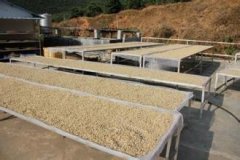
Cultivation of high-quality boutique coffee beans in Saint Roman, Costa Rica, geographical location, climate, altitude
Costa Rican Coffee-Tarrazu in Costa Rica is one of the major coffee producers in the world, with a light and pleasant flavor. Costa Rica, with its fertile volcanic soil and good drainage, is the first country in Central America to grow coffee and bananas for commercial value. Coffee and bananas are the country's main exports. 1729

What is Arabica coffee? Evolution and Improvement of Arabica Coffee Species
Coffee was first discovered by humans in Ethiopia, Africa, and later spread to other equatorial countries. Therefore, it is natural that the earliest coffee tree species discovered in Ethiopia is the earliest native species. When it comes to Arabica, the original saying is that coffee originated in Ethiopia, and then began to spread to all parts of the world suitable for coffee growing.

Unique fragrant boutique coffee beans in Saint Roman, Costa Rica, planting situation, geographical location, climate, altitude
High-quality Costa Rican coffee is called extra hard beans, and this kind of coffee can grow at an altitude of more than 1500 meters. Altitude has always been a problem for coffee growers. The higher the altitude, the better the coffee beans, not only because the higher altitude can increase the acidity of the coffee beans and thus increase the flavor, but also because the night temperature at the higher altitude is lower, which can make the trees grow slowly.

World's rarest coffee varieties Jamaica coffee beans Blue Mountain coffee
When it comes to top-grade coffee, you can't introduce it casually. Every top-grade coffee has to be described in a soft article. Today, I will introduce you to Blue Mountain Coffee, the king of coffee. Jamaica Blue Mountain Coffee may be the most famous coffee in the world, but few people actually know its history. Why is its price so high? Coffee was first introduced to Jamaica in 1789

The Development of Coffee and the Promotion of Arabia, China and Turkey
The dietary use, cultivation and development of coffee in the Arab region are also related to Zheng he's voyages to the West in the early Ming Dynasty.
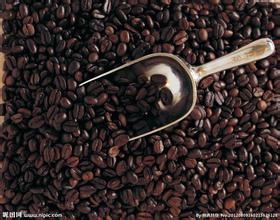
Boutique coffee Rwanda coffee origin Rwanda coffee practice
Rwandans have been growing coffee since colonial times, but until 1999, its products were still classified as below Class C and were not popular in the global market. The reason for the poor quality is that farmers do not have a fixed procedure for washing coffee beans and do not process coffee fruits according to specifications in time. Buyers buy coffee beans at $0.33 per kilogram, and farmers keep warm by the meagre profits earned at low prices.

Fine coffee Rwanda coffee manor Rwanda coffee producing area
Rwandans have been growing coffee since colonial times, but until 1999, its products were still classified as below Class C and were not popular in the global market. The reason for the poor quality is that farmers do not have a fixed procedure for washing coffee beans and do not process coffee fruits according to specifications in time. Buyers buy coffee beans at $0.33 per kilogram, and farmers keep warm by the meagre profits earned at low prices.

Why is Hawaiian Kona coffee so expensive? what's the flavor of Hawaiian Kona coffee?
Professional coffee knowledge exchange more coffee bean information please pay attention to the coffee workshop (Wechat official account cafe_style) the volcano on the island, is the goddess of fear and love of local residents, afraid of the goddess anger, home instantly torched, but also love the tears left by the goddess after anger, high temperature thick magma, cooling to form a special soil, Kona coffee has become a unique success

Yemen mocha coffee how to drink_Yemen mocha coffee price is how much_Mocha coffee origin profile
Professional coffee knowledge exchange More coffee bean information Please pay attention to coffee workshop (Weixin Official Accounts cafe_style) Although Ethiopia is the birthplace of Arabica, from the end of the 17th century to the beginning of the 18th century, the first coffee that Europeans drank came from Yemen. At that time, African or Arabic coffee was all exported from Mocha Port, and the geographical location of Mocha became synonymous with coffee.

Classification characteristics of Coffee varieties in Guatemala Flavor introduction to 8 Coffee producing areas in Guatemala
Professional coffee knowledge exchange more coffee bean information please follow the coffee workshop (Wechat official account cafe_style) Guatemala is a major coffee producer in Central America, ranking eighth in the world in terms of coffee production. Guatemala, whose name comes from the Mayan language, means thelandofmanyt, the country of the forest.

Gentle and gentle Tarazhu boutique coffee beans in Costa Rica, geographical location, climate, altitude
Excellent Costa Rican coffee is called extra hard beans, and this kind of coffee can grow at an altitude of more than 1500 meters. Altitude has always been a problem for coffee growers. The higher the altitude, the better the coffee beans, not only because the higher altitude can increase the acidity of the coffee beans and thus increase the flavor, but also because the night temperature at the higher altitude is lower, which can make the trees grow slowly.

Travel list for coffee lovers: the top ten coffee cities in the world are waiting for you to clock in one by one
Professional coffee knowledge exchange more information about coffee beans Please follow the coffee workshop (Wechat official account cafe_style) Coffee is a worldwide drink. In the hands of this cup of coffee, across thousands of mountains and rivers to come to us. On the other hand, we can recognize a different world through coffee. A cafe, a barista, a local coffee lover, and

A brief introduction to the cultivation of fine coffee beans in Ted Manor with exquisite flowers and plants, geographical location, climate and altitude
The coffee market regulatory body in Ethiopia is the Ethiopian Coffee and Tea products Administration. There are two auction centers in the country, one in the capital Addis Ababa (Addis Ababa) and the other in Dire Dawa in eastern Ethiopia. Coffee growers bring fresh fruit or to private coffee processing plants or cooperative coffee washing stations

The delicious boutique coffee beans of Saint Roman, Costa Rica are planted in geographical location, climate and altitude.
Other kinds of Brazilian coffee, such as Rio and Parana, can be produced in large quantities because they do not need too much care. Although the taste is rough, it is a kind of good and cheap coffee. It has its own standard because it is distributed all over the country and its solid quality varies. It has its own standard (NO.2~NO.8 according to the number of sundries, NO.13~NO.19 according to the size of beans, and six grades according to taste).

A brief introduction to the planting situation, geographical location, climate and altitude of Yega Sheffivoka boutique coffee beans.
The so-called Yega Snow Flavor refers to strong aromas of jasmine, lemon, peach, almond and tea. Tasting experience has only one sentence: coffee entrance, flowers in full bloom! Just like a flower touches the comfort of taste buds and olfactory cells in the nasal cavity. In addition to the fragrance of the flowers, the delicate mellow thickness (body) is like a silk massage in the mouth, and it feels wonderful. It is nearly two thousand meters above sea level, which is the global elevation.

What does the third wave of coffee represent? Why can Americans lead three waves of coffee?
Professional coffee knowledge exchange more coffee bean information please follow the coffee workshop (Wechat official account cafe_style) coffee three waves of revolution the first wave: instant coffee (Instant Coffee) development history of 1889, New Zealanders David Strang invented instant coffee, and in 1890 obtained a patent. It's a pity

The history, culture and story allusions of the sacred boutique beans of the jadeite manor in Panama
Exchange of professional baristas please follow the coffee workshop (Wechat official account cafe_style) Panamanian Emerald Manor Saint boutique bean history, culture, stories and allusions Panama Panamanian population: 3406000 Coffee in Panama is defined by how coffee is produced, not by geography. In the past, when coffee was widely grown, the areas listed below were small.